
The Animals' Nostalgia for 'Beasts of England'
Animal FarmTraces the emotional significance of the revolutionary song, from its joyous singing to its suppression and secret survival.
increasing Bearing strength in each event
 decreasing
Bearing strength in each eventdecreasingThe First Singing
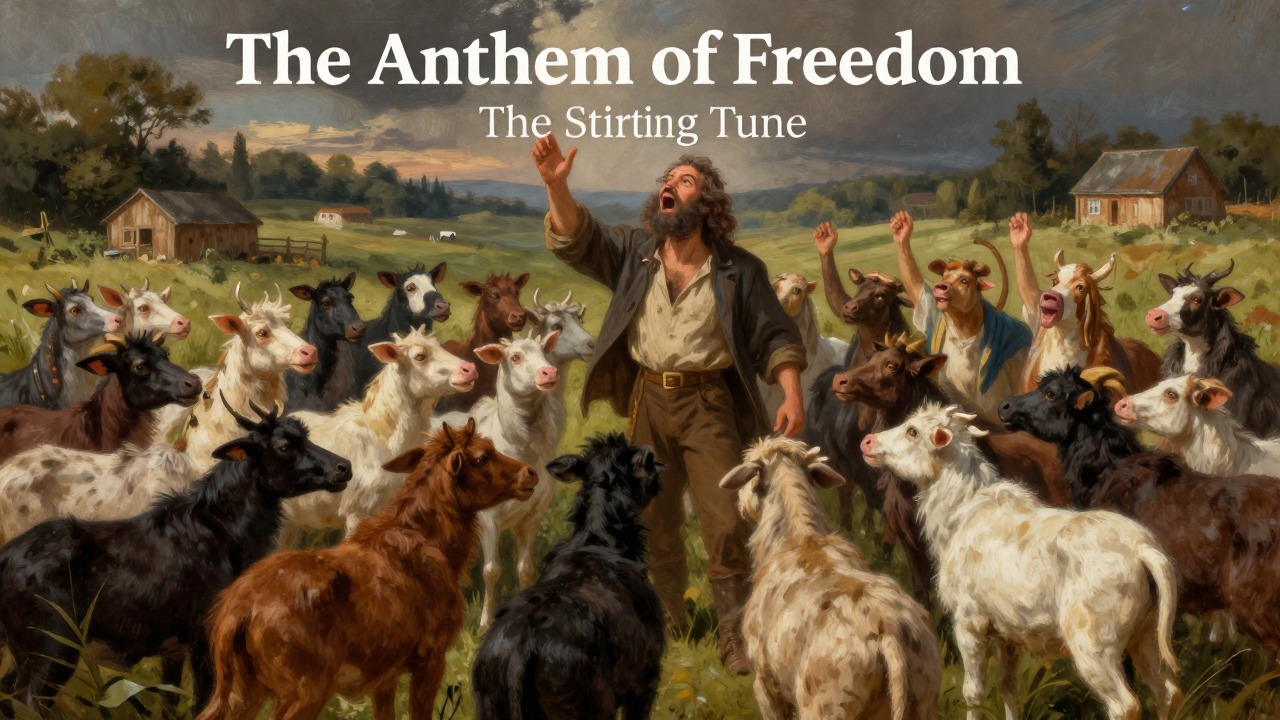
The Anthem of Freedom
The Stirring Tune
Old Major sings 'Beasts of England' for the first time. The animals are wildly excited, and the whole farm bursts into the song.
The Joy of Unity
Singing the song gives them a sense of solidarity and purpose. It becomes the anthem of the Rebellion.
The Daily Ritual
The meetings always end with the song. It is a source of inspiration and hope.
The Mournful Singing After the Purge
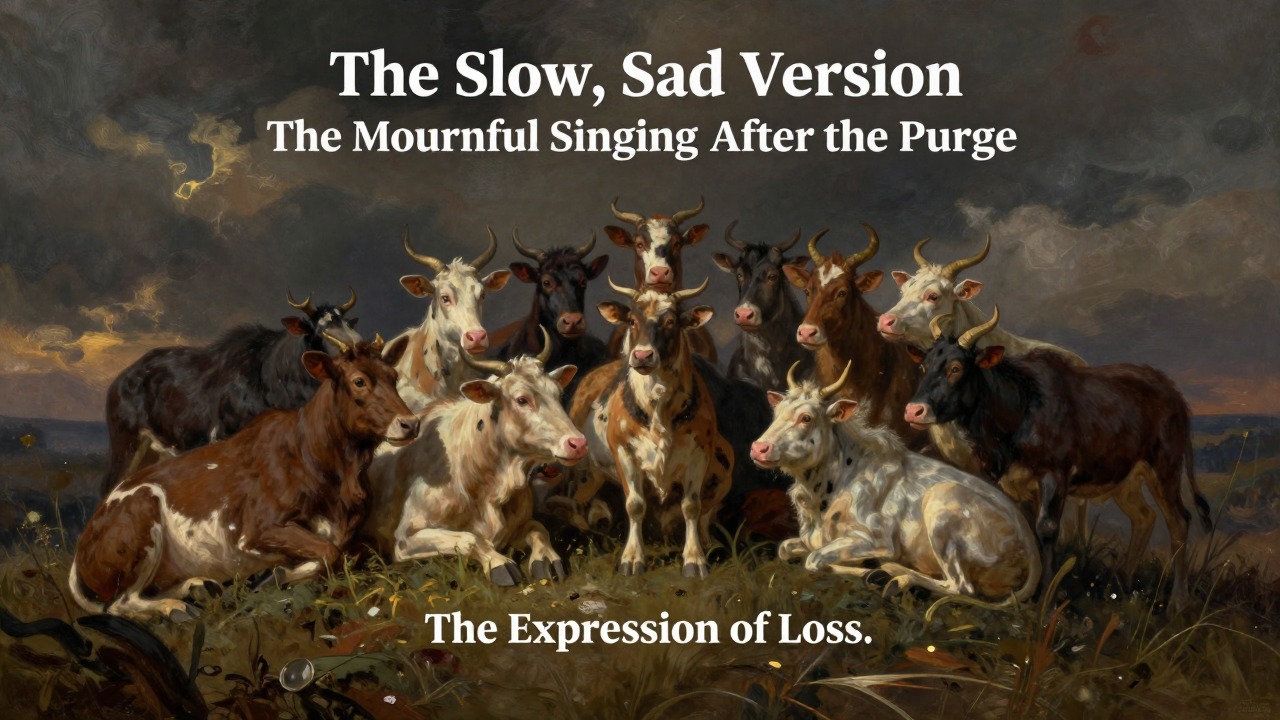
The Song of Grief
The Slow, Sad Version
After the executions, the animals huddle on the knoll and sing 'Beasts of England' three times, slowly and mournfully. It is a lament.
The Expression of Loss
The song now carries the weight of their shattered dreams. It is the only way they can express their sorrow.
The Prohibition
Squealer announces that the Rebellion is over, so the song is no longer needed. It is forbidden from that moment.
The Secret Survival
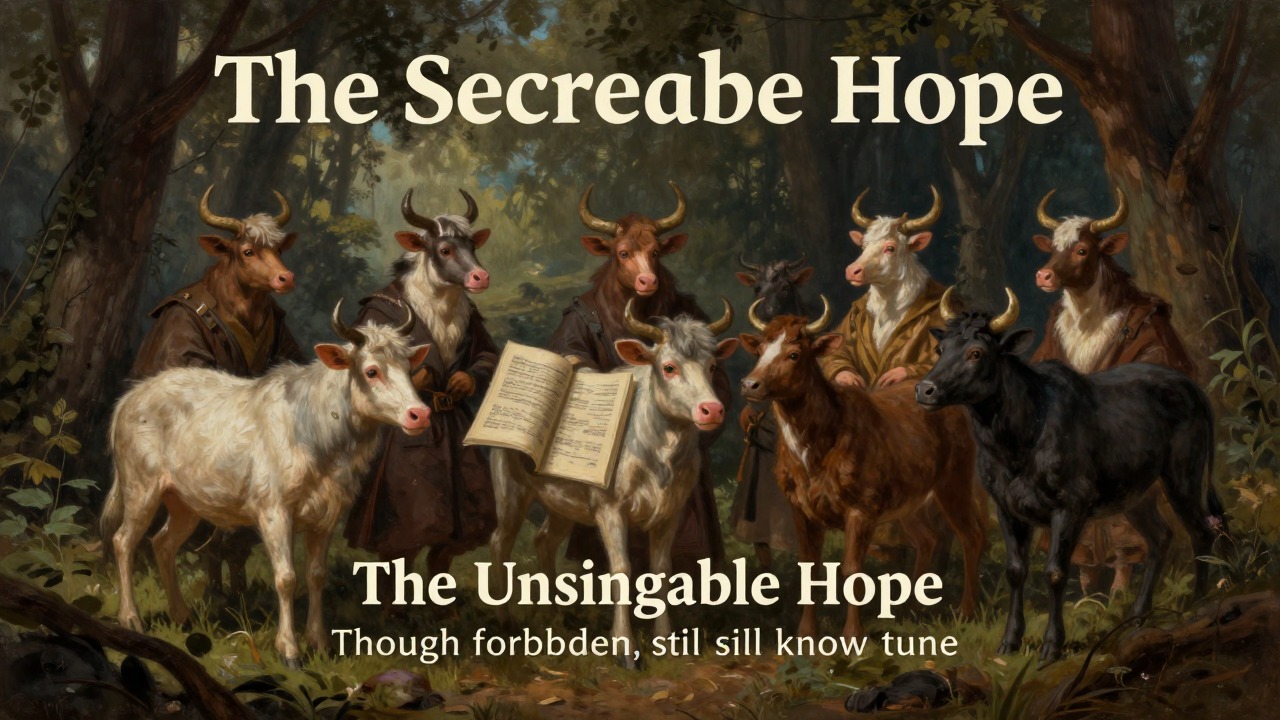
The Hidden Melody
The Unsingable Hope
Though forbidden, animals still know the tune. They hum it secretly, afraid to be caught.
The Symbol of Resistance
The song becomes a symbol of the old dream, kept alive in memory. It is the last link to the original ideals.
The Enduring Hope
The animals still believe that 'Beasts of England' will be sung again when the Republic of the Animals comes. The song is a form of quiet defiance.
the night of the Rebellion
after the executions
near the end of the story
